
My WordPress database is slow: three plugins to fix it without touching MySQL directly
A slow WordPress or WooCommerce database is often old MySQL defaults. Three plugins fix indexing, collations and storage engine issues on any hosting.

WordPress and WooCommerce aren’t the same thing. WooCommerce has different demands: database load, concurrent connections, memory, I/O. A site that runs fine on standard WordPress hosting can struggle once you add a shop.
This is where we dig into the technical side of keeping WordPress and WooCommerce sites running well. Not theory. Real problems we’ve encountered, real solutions that work, real examples from sites we host.
You’ll find stories about performance tuning, hosting requirements, bot traffic, plugin clashes, and the things that go wrong when a site scales. Some of it is dry stuff (database engines, PHP Opcache, log file management), but it matters when your checkout is slow or your site keeps crashing.
If you’re a shop owner hitting technical walls, or a web designer troubleshooting a client site, this is the section to dig into. We’re honest about when you don’t need managed hosting, and when you do. We link to our services where it makes sense, but the focus is on solving actual problems.
A slow WordPress or WooCommerce database is often old MySQL defaults. Three plugins fix indexing, collations and storage engine issues on any hosting.

CPU and bandwidth surging together? That usually means uncached WordPress renders. But who's asking for all those pages? A walkthrough using grep, awk and a free IP-to-network database to classify traffic on three WooCommerce shops.
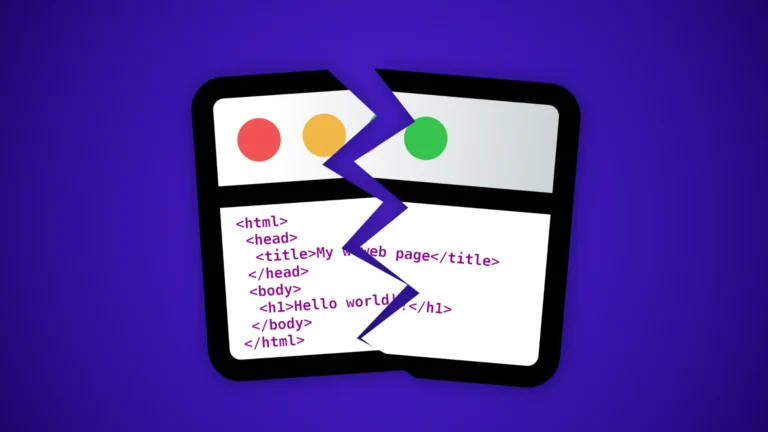
Elementor site suddenly look broken? Here's how to confirm it's a missing CSS file (not a crash), fix it immediately, and stop it happening again.

Order confirmations disappearing? Learn how to test email deliverability properly, fix DKIM/SPF/DMARC issues, and ensure WooCommerce emails reach inboxes.
Plugin clashes break sites. Here's how to diagnose them, fix them, and get help from developers.
A slow checkout costs sales. Most site owners blame the theme, but the real problem is usually the server.

Fake orders from bots aren't just annoying. They're a security issue that affects your payment processing and hosting load.

Contact form spam isn't just annoying. It's damaging your domain's email reputation and affecting your legitimate emails.
WooCommerce isn't just WordPress with a shop. It has different demands on your server, and those demands matter more than most people realise.